
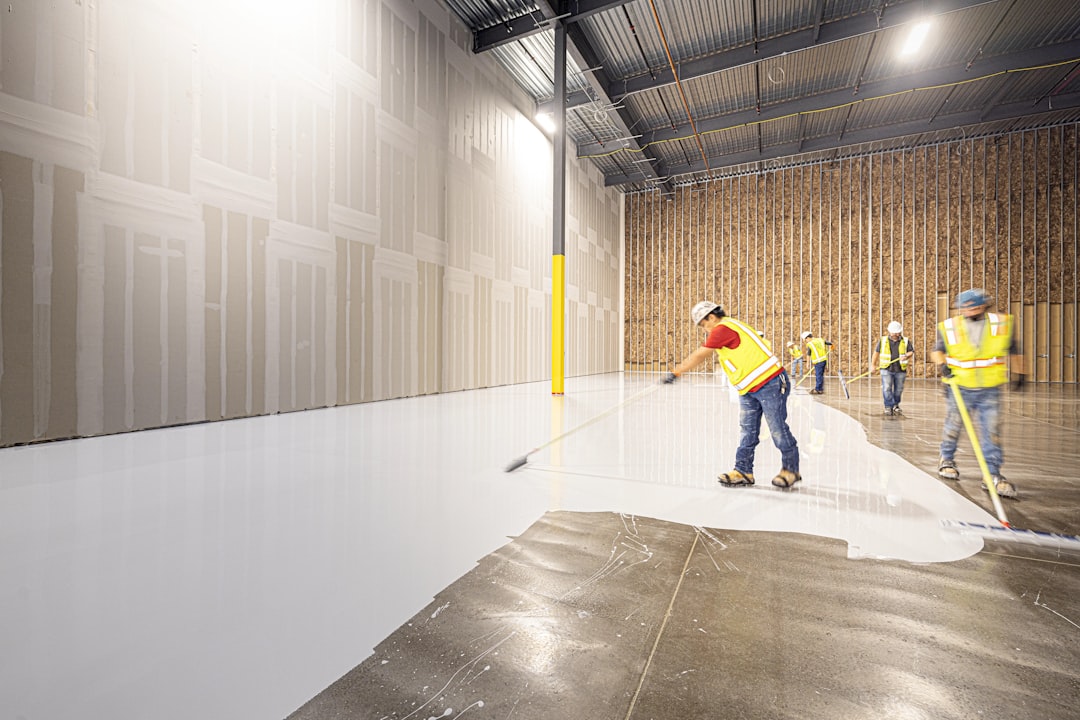
The Chemistry and Advantages of Rapid Cure Polyaspartic Floors
To understand why rapid cure polyaspartic floors perform so exceptionally well, we have to look under the chemical hood. At its core, a polyaspartic coating is a specialized aliphatic polyurea. It is engineered through a controlled reaction between an aliphatic polyisocyanate component and a polyaspartic ester derivative.
Standard polyureas cure almost instantly—often within seconds—requiring expensive high-pressure spray equipment. Epoxies, on the other hand, take days to cure fully. Polyaspartic esters act as a “chemical brake,” slowing down the cure speed just enough to allow professional installers to mix and roll the material manually onto your concrete while retaining the extreme durability of polyurea.
Because our Polyaspartic Floor Coatings are inherently aliphatic, they feature extraordinary chemical stability against ultraviolet light. Traditional aromatic epoxy systems degrade under direct or indirect sunlight, resulting in unsightly yellowing, chalking, and color shifting. Polyaspartics are completely UV stable, keeping your bright high-gloss topcoat crystal clear for years.
| Technical Property | Rapid Cure Polyaspartic Coating | Standard Epoxy Floor Coating |
|---|---|---|
| Return to Foot Traffic | 3 to 5 hours | 24 to 72 hours |
| Return to Vehicle Traffic | 24 hours | 5 to 7 days |
| UV Resistance | 100% UV Stable (Non-yellowing) | Prone to yellowing/chalking under UV |
| Tensile Strength | > 3,800 psi | 2,000 – 3,000 psi |
| Compressive Strength | > 11,500 psi | 8,000 – 10,000 psi |
| Taber Abrasion Loss | 20 mg (CS-17 wheel, 1000g, 500 cycles) | 40 – 90 mg |
| Low Temp Application | Down to 30°F | Generally limited to 50°F+ |
How Polyaspartic Ester Chemistry Outperforms Epoxy
The unique crosslinking network formed during the curing process gives polyaspartic resins several advantages over traditional concrete coatings. When reading A Quick Start Guide to Polyaspartic vs Epoxy Floor Coatings, property owners quickly discover that epoxies are vulnerable to environmental moisture during application, often suffering from “amine haze” or blushing when relative humidity rises. Polyaspartics cure cleanly across a wider range of ambient temperatures and moisture levels without surface hazing.
Flexibility is another huge win for polyaspartic resins. Concrete slabs naturally expand, contract, and shift with local temperature swings across East Tennessee. Epoxy tends to cure rigid and brittle, which leads to micro-cracking and chipping under severe thermal shock or heavy impact. Polyaspartic formulations maintain superior elongation and flexibility, allowing the coating to flex alongside your concrete slab without losing adhesion.
This thermal tolerance also prevents the dreaded phenomenon known as “hot tire pickup”—where hot vehicle tires park on a freshly painted garage floor, bond to the soft resin as it cools, and peel the paint off the floor when backing out of the bay. Polyaspartic systems lock onto concrete with chemical tenacity, rendering hot tire pickup virtually impossible.
Key Performance Specs of Rapid Cure Polyaspartic Floors
When evaluating high-performance coatings, raw technical data reveals the clear distinction between standard coatings and professional-grade materials. Take our standard high-solids fast-cure polyaspartic specifications (such as E449 high-solids formulations):
- Compressive Strength (ASTM D695): Exceeds 11,500 psi, easily supporting loaded toolboxes, heavy machinery, and heavy vehicle traffic.
- Tensile Strength (ASTM D638): Greater than 3,800 psi, offering vast structural strength against surface tension.
- Surface Hardness: Rated at Shore D 75, offering a hard, glass-like finish that resists surface scratching while maintaining internal flexibility.
- Taber Abrasion Resistance: Displays an abrasion loss of just 20 mg (CS-17 wheel, 1,000g load, 500 cycles), outperforming standard epoxies by up to four times.
- Adhesion Strength: Exceeds 340 psi pull-off strength. In testing, the concrete substrate breaks down long before the polyaspartic bond separates from the slab.
Paired with UV Resistant Polyaspartic Coatings for a Sunproof Garage, these key metrics ensure your floor stays glossy, vibrant, and protected against everyday life.
Ideal Applications and Product Options for Fast-Drying Systems
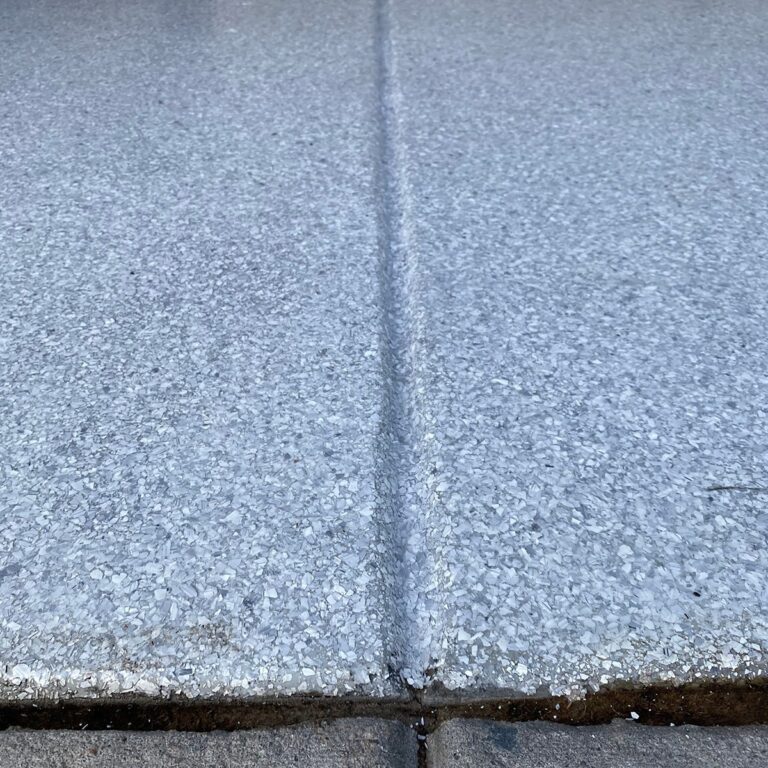
Because rapid cure polyaspartic floors combine rapid installation speed with commercial-grade structural specs, they excel in environments where facility downtime must be kept to an absolute minimum.
For home garage projects in Knoxville, TN, and neighboring regions like Oak Ridge, Maryville, and Lenoir City, rapid-cure systems eliminate the hassle of leaving tools, lawn mowers, and vehicles parked outdoors on the driveway for a week.
In commercial settings—such as vehicle repair bays, busy commercial kitchens, warehouses, and veterinary clinics—closing operations for three or four days to wait on standard epoxy translates directly to lost revenue. Polyaspartic systems let businesses schedule a coat on Sunday morning and reopen for full operational duty by Monday morning.
Residential, Commercial, and Industrial Scenarios
Different concrete settings present distinct challenges, but fast-curing polyaspartics deliver consistent results across multiple scenarios:
- Residential Garages & Workshops: Provides complete protection against oil drips, road salt, battery acid, and dropped tools. See our guide on One Day Polyaspartic Installation for the Impatient Homeowner to explore how we wrap up residential floors in a single visit.
- Automotive & Logistics Centers: Resists hydraulic fluid, gasoline, brake cleaner, and heavy forklift wheel traffic without staining or softening.
- Food Processing & Retail Showrooms: Smooth, seamless surfaces prevent dirt and bacteria build-up. Combined with ultra-low VOC emissions, rapid systems allow application without contaminating surrounding work areas.
- Outdoors & Sunrooms: Pool decks, covered patios, and aprons benefit directly from 100% UV stability without chalking or turning yellow.
Local property owners looking for high-performance concrete sealers can learn more about our local services by reading our dedicated resource on Polyaspartic Floor Coatings Knoxville Tennessee.
Technical Options for Rapid Cure Polyaspartic Floors
Not all polyaspartic products are identical; specialized formulations target different application environments:
- 95% High-Solids Formulations: High-build clear or pigmented topcoats (like E449 Fast Cure) engineered for maximal chemical resistance, zero shrinkage, and high film thickness (up to 12 mils wet in a single pass).
- Low-Temperature Systems: Specially catalyzed polyaspartic formulas engineered to cure down to 30°F, allowing cold-weather floor application in untempered winter structures across LaFollette or Tazewell.
- Slow-Set / Extended Pot Life Options: 85% to 90% solids products designed with 40–50 minute pot lives for complex decorative broadcast applications or warm-weather summer installations.
- Universal Pigment Systems & Color Packs: Concentrated tint formulations that can be added directly into clear polyaspartic bases, yielding vibrant solid colors (such as slate gray, beige, safety yellow, or custom decorative shades).
Surface Preparation and Field Installation Best Practices
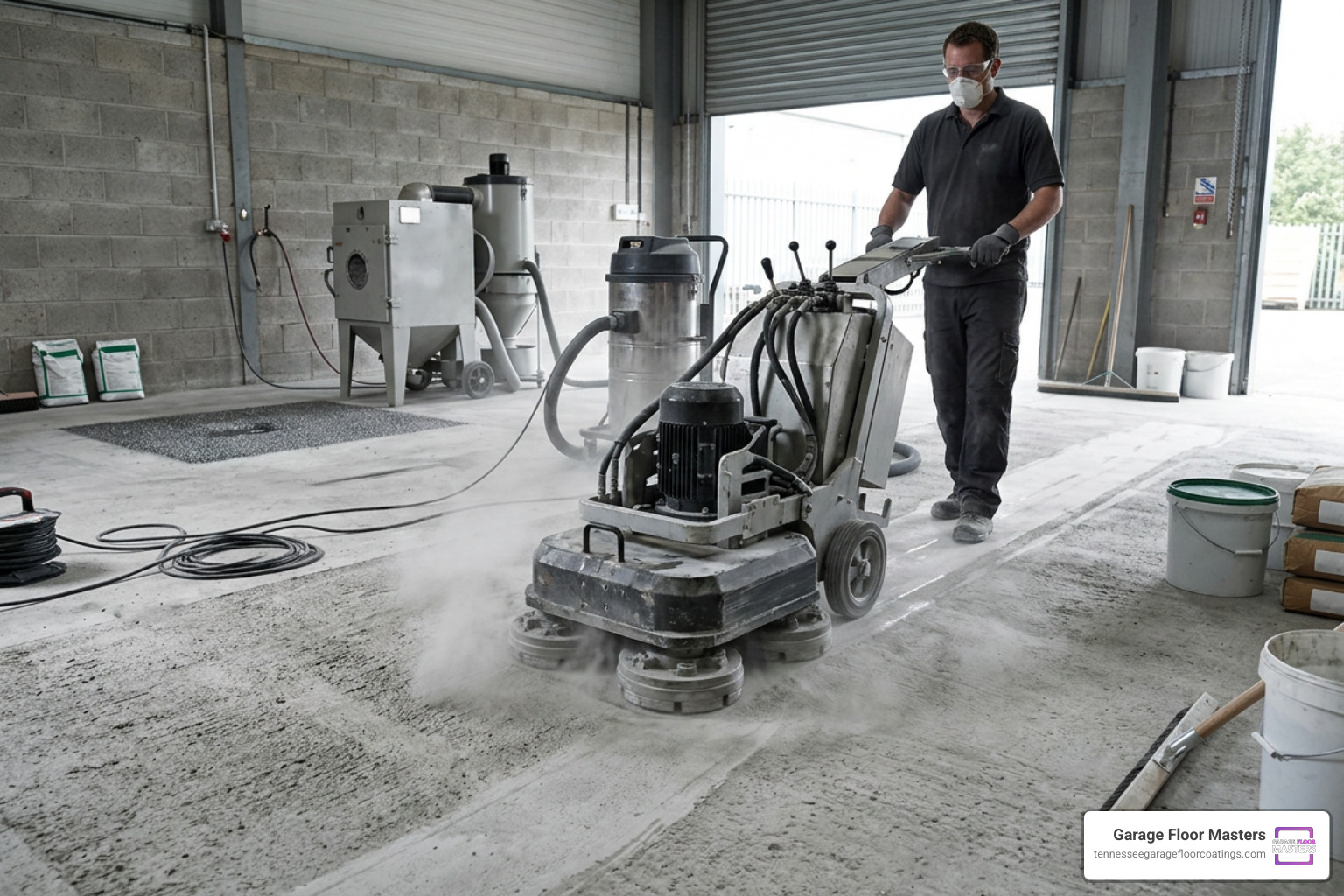
Even the most advanced polymer coating will fail if the underlying concrete substrate is improperly prepared. The ultra-fast cure rate of polyaspartic resin makes correct preparation and precise field installation absolutely paramount. There is zero room for guesswork once the components are mixed!
Mechanical Profiling and Moisture Testing
Achieving a permanent bond requires opening up the concrete pores through mechanical profiling. We NEVER use acid etching, as it introduces excess moisture into the slab and leaves behind bond-breaking chemical residues. Instead, we use commercial heavy-duty diamond grinders or dustless shot-blasting equipment to establish a surface profile rating of CSP 2 to CSP 3 (resembling the texture of medium-grit sandpaper).
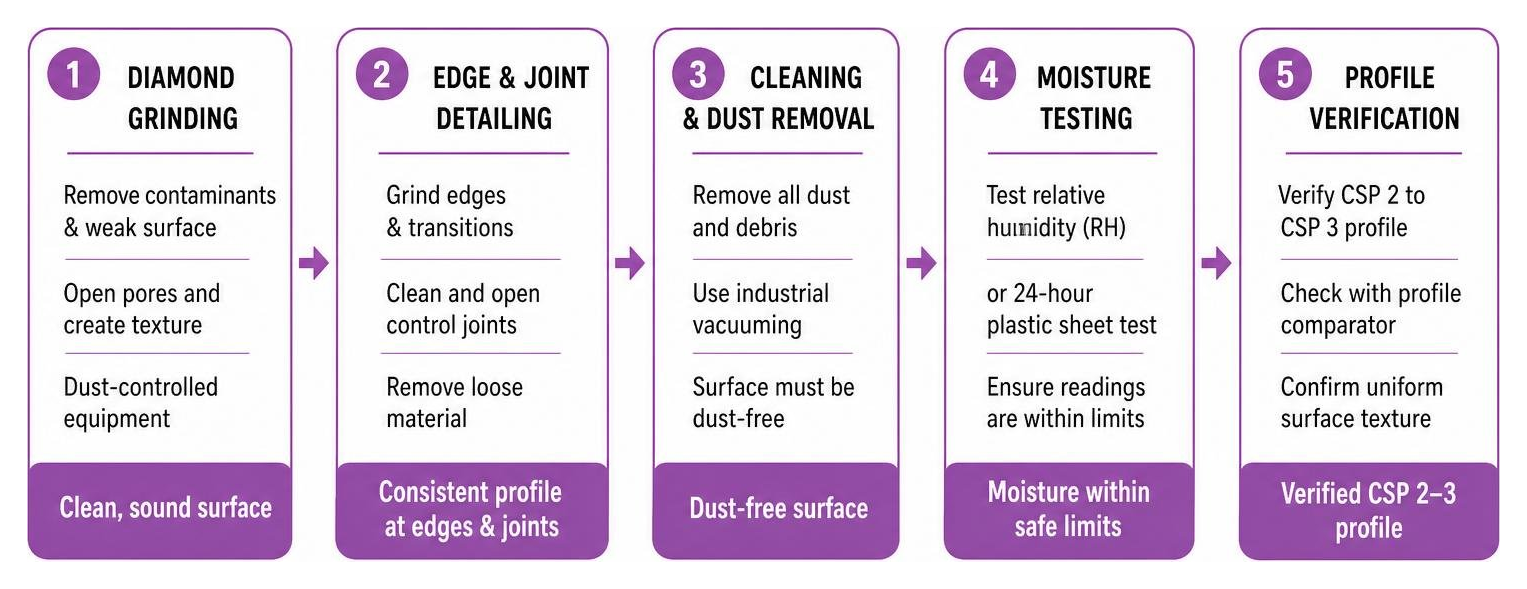
Before applying any liquid product, installers must verify that hydrostatic moisture vapor transmission (MVT) stays within safe limits. Moisture driven upward through an unsealed slab can create immense hydraulic pressure, leading to coating blisters or delamination over time.
We test slabs using relative humidity probes or 24-hour plastic sheet moisture tests. If high moisture vapor transmission is present, a dedicated moisture-mitigating primer must be applied before rolling out the polyaspartic topcoat.
For a comprehensive behind-the-scenes look at how our crews handle prep, check out Our Process.
Application Workflows and Managing Short Pot Life
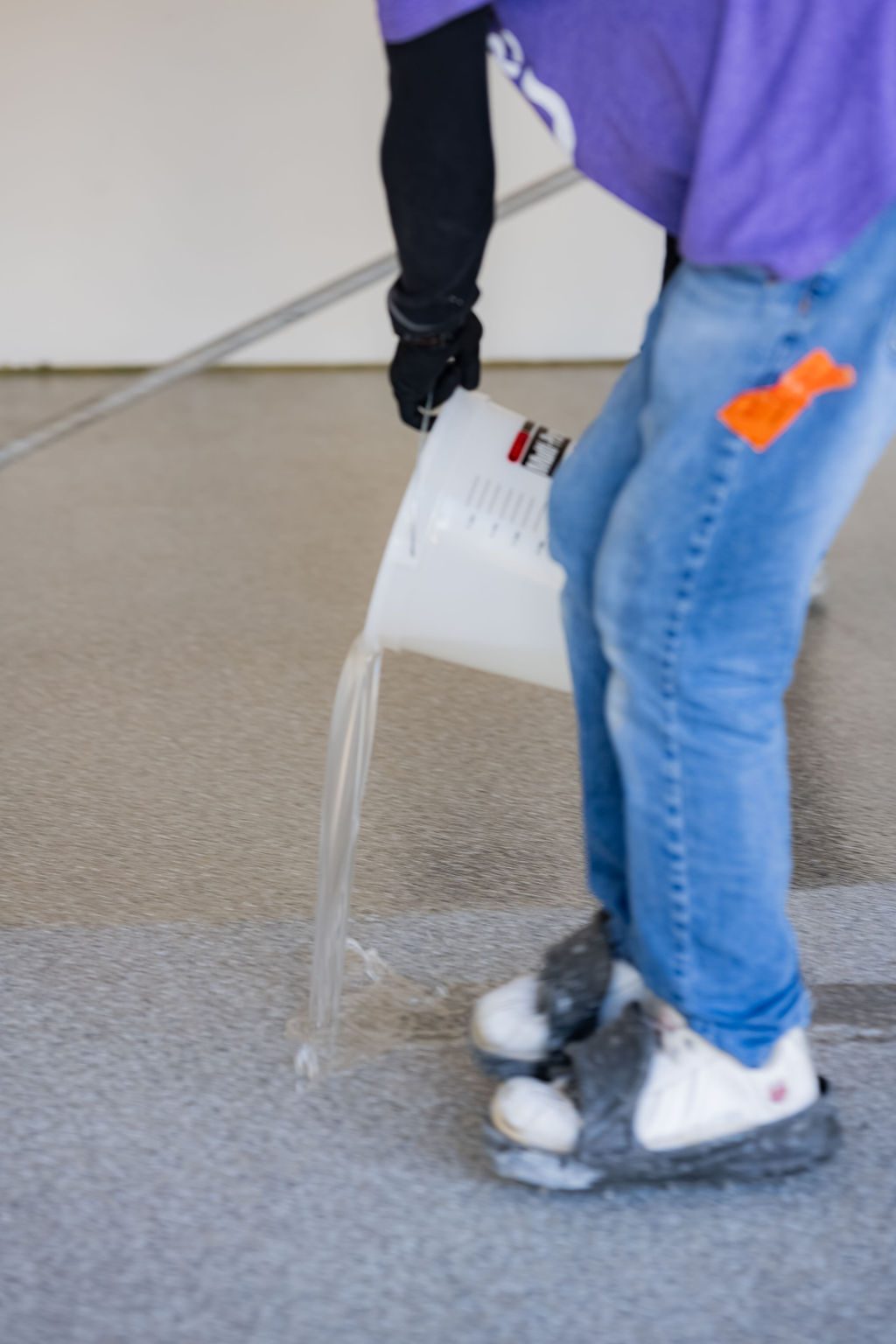
The primary challenge when applying fast-curing polyaspartics is managing working time. A typical fast-cure formulation has a pot life of 10 to 15 minutes once Part A and Part B are combined.
Leaving mixed polyaspartic material inside a deep mixing bucket triggers an accelerated exothermic (heat-releasing) chemical reaction. If left sitting in the bucket, the mix can cut working time by more than half, heat up rapidly, and even solidify in the pail!
To manage this short application window, installation teams use a precise, synchronized workflow:
- Mechanical Drill Mixing: Measure Part A and Part B in their exact ratio (e.g., 1.5:1 or 1:1 depending on formulation). Blend thoroughly using a drill fitted with a Jiffy mixing paddle for 2 minutes, transfer into a clean secondary bucket, and mix briefly again to ensure no unblended resin remains.
- Immediate Ribbon Pouring: Immediately pour 100% of the mixed contents directly out onto the concrete slab in long S-shaped or W-shaped ribbons. Spreading the liquid out across the cold floor dissipates heat and maximizes usable working time.
- Squeegee & Roll Out: One crew member pulls the liquid evenly across the room using a flat rubber squeegee while a second crew member back-rolls the coating with a lint-free 3/8-inch nap roller to ensure an even, uniform thickness (typically 8 to 12 mils wet).
- Chip/Flake Broadcast (Optional): If applying a decorative flake floor, vinyl color chips are immediately broadcast into the wet polyaspartic base layer to total saturation.
- Thumb Test Verification: Once cured (usually within 1 to 2 hours), installers conduct a simple “thumb test”—pressing a thumb firmly into the film. If no print or tackiness remains, the surface is ready for scraping, vacuuming, and clear polyaspartic topcoating.
Read our complete breakdown on layering strategies in Everything You Need to Know About Polyaspartic Base and Top Coats.
Economics and Sustainability: Material Cost vs. Downtime
When homeowners and business owners compare raw material costs per gallon, polyaspartic coatings carry a higher upfront price tag than basic hardware-store epoxy paints. However, evaluating flooring economics strictly on initial material costs is a mistake. The true economic value lies in the economics of time and long-term durability.
Our pricing is based on the condition of your project and the specific features you select—which is why Garage Floor Masters provides a free, no-obligation on-site estimate tailored to your exact space.
Consider the real labor and operational breakdown:
- Labor Savings: A standard multi-layer epoxy project requires an installer to travel to your site over 3 to 4 separate days (Prep Day, Base Coat Day, Top Coat Day, Cleanup Day). Polyaspartic systems permit full prep, basecoat installation, chip broadcast, and clear topcoating in a single shift. Less back-and-forth travel dramatically lowers labor overhead.
- Eliminated Business Downtime: For a commercial facility in Sevierville or Loudon, closing your doors for four days can mean thousands of dollars in lost revenue. Compressing installation into a single day saves substantial operating capital.
- Unrivaled Longevity: Traditional thin epoxies often fail, wear thin, or yellow within 2 to 5 years, forcing costly strip-and-re-coat projects. Polyaspartic coatings deliver decades of high-performance service. Extending a floor’s service life by 300% drastically reduces lifecycle maintenance costs and environmental waste.
From an environmental safety standpoint, modern rapid-cure polyaspartics feature ultra-high solids content (up to 95%) and extremely low VOCs (volatile organic compounds—often under 50 g/L). This low odor allows installations inside attached residential structures, commercial spaces, and industrial workspaces without releasing harsh chemical fumes into surrounding areas.
Learn more about managing project costs in our detailed guides on The Real Cost of Polyaspartic Garage Floors and Top Budget Friendly Polyaspartic and Epoxy Coatings for Your Workshop.
Frequently Asked Questions About Rapid Cure Polyaspartic Flooring
How quickly can rapid cure polyaspartic floors take heavy vehicle traffic?
Most rapid cure polyaspartic floors permit light foot traffic within 3 to 5 hours after topcoat application under standard ambient conditions (70°F and 50% relative humidity).
Full chemical cure and structural weight resistance develop rapidly, allowing you to park heavy cars, trucks, SUV models, and riding mowers back on the surface within 24 hours.
By contrast, traditional epoxy floors generally require 3 to 7 full days before accepting vehicular traffic.
When should polyaspartic floor coatings be avoided?
While polyaspartics are exceptionally versatile, there are specific scenarios where they should NOT be installed:
- Active High Moisture Vapor Drive: Slabs experiencing active, heavy hydrostatic water pressure without a moisture barrier will push the coating off the concrete. Severe moisture issues require a specialized moisture-mitigating base coat first.
- Unprofiled or Smooth Concrete: Polyaspartic resins cannot lock onto smooth, power-troweled, or un-ground concrete surfaces. Proper diamond grinding is mandatory.
- Ultra-Thick Single-Pass Self-Leveling Applications: Polyaspartic is engineered to be applied in thin-to-medium film layers (typically 8 to 12 mils per coat). Attempting to pour polyaspartic 1/4-inch thick in a single lift will trap reacting gases, causing cloudiness, bubbling, and incomplete curing.
What is the difference between polyaspartic and traditional polyurea?
Although polyaspartic is technically a sub-category of polyurea, key differences exist in working time and application methods:
- Cure Speed: Pure traditional polyurea reacts almost instantaneously (5 to 15 seconds), requiring complex, heated plural-component spray equipment. Polyaspartic esters slow down this reaction, offering a workable pot life of 10 to 25 minutes.
- Application Method: Polyaspartics can be mixed by hand and applied cleanly with squeegees and nap rollers, allowing smooth, self-leveling finishes impossible to achieve with fast-spray polyurea.
For a deeper technical comparison, check out our guide on Polyurea vs Polyaspartic Coat.
Conclusion
When you need rapid single-day turnarounds, extreme abrasion resistance, zero UV yellowing, and industrial-grade concrete protection, rapid cure polyaspartic floors stand out as the ultimate modern solution. By combining advanced aliphatic chemistry with professional surface preparation, homeowners and business owners across East Tennessee can enjoy a brand-new, ultra-durable garage floor without losing access to their space for days on end.
At Garage Floor Masters, we provide professional garage floor coating services across Knoxville, TN, and nearby communities—including Oak Ridge, Crossville, Vonore, Sevierville, Lenoir City, Maryville, Tazewell, LaFollette, Loudon, Friendsville, Powell, Jefferson City, Pigeon Forge, Clinton, Andersonville, and White Pine. Our UV-stable coatings are four times stronger than traditional epoxy, installed in just one day, and available in over 140 custom color and flake combinations.
Ready to transform your worn concrete garage floor with a long-lasting, rapid-cure system? Visit our dedicated Garage Floor Coating Knoxville TN page today to learn more and request your free on-site estimate!